

 UPDATE
Introducing: Penn Foster’s Caterer Career Diploma Program
While Ashworth College is no longer Accepting enrollments in our Gourmet Cooking and Catering Program, we’re excited to introduce you to our partner school, Penn Foster.
At Penn Foster, your career is served! In our online cooking classes, you’ll sharpen your know-how on everything culinary, from knife skills to catering contracts. At the end of the course, you’ll be ready to use your love of cooking to start a catering service or career as a chef.
LEARN MORETake the Next Steps Towards a Career You Want
If you're looking for a career that allows you to combine your cooking skills with your people skills, Penn Foster’s online Caterer Career Diploma Program can help you prepare to take the first steps toward the job you want. With flexible, online courses, you can learn catering skills and knowledge on your schedule, from home.
Why Penn Foster?
Penn Foster has been on a mission to help people like you launch, accelerate, and thrive in their careers for more than 125 years. We provide students with a quality education that fits your busy lifestyle and budget, offering over 100 self-paced, career-relevant programs across our College, Career School, and High School. The program you choose is structured to fit your learning needs so you can achieve your goals, and is designed to work with your schedule, anytime, anywhere you want to study. With a focus on relevant skills and career preparation for the in-demand job you’re after, Penn Foster can help you graduate with confidence and help provide a pathway towards your career goals.
Learn at the speed that works best for you.
Develop the in-demand skills employers are looking for.
Choose the tuition payment plan that works for you.
What You'll Learn in Penn Foster’s Catering Program
- How to plan menus, ensure quality of meals, and season and cook food according to recipes.
- How to market your catering business, including market research, branding, and written agreements for clients.
- How to prepare catering options for a variety of events, from weddings to professional dinners.
- How to work with and prepare a variety of dishes, including fish, poultry, and beef, and how presentation and plating can make an impact.
Penn Foster’s Online Gourmet Cooking Course Curriculum
In your online catering courses, you'll learn the fundamental skills and knowledge necessary to become a successful caterer or food service manager. Your classes include:
- Dynamics of Catering
- Cooking Basics
- The Culinary Professional
- Breakfast, Garde Manger, and World Cuisines
Learn More About the Penn Foster Experience
Just like Ashworth College, at Penn Foster we believe the benefits of online learning can be life-changing—and should be accessible to all. That’s why our affordable programs are designed with you in mind. You're able to learn and develop new skills for in-demand careers your way – on your schedule, at your speed.
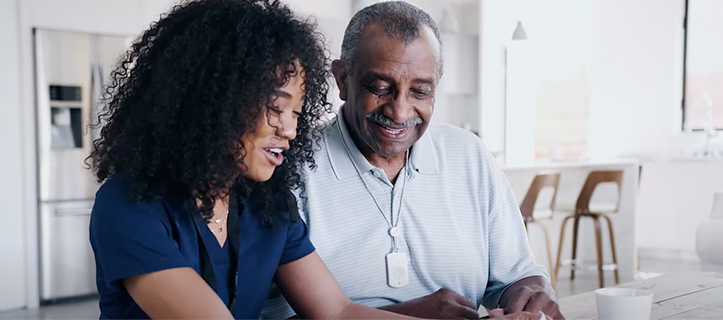
"Penn foster gave me the opportunity to work on my own time while still holding down a job and being a single mother. The course work was at my own pace and I could do it all online, making it easier to complete work anytime, anywhere."
Frequently asked questions
You may be taking your first steps into higher education. Or you may be considering online study for the first time. Whatever your situation, we're here to guide you through the process and answer any questions you have.
Certification and licensing requirements for caterers can vary from state to state. However, all catering and food service workers are required to have ServSafe Food Handler certification whether you own your own catering business or work for someone else. If you choose to start your own business, you may also be required to obtain further certifications and licenses.
In order to start a catering business, you need to take a few first steps. After learning how to run a business and refining your cooking skills, you'll need to obtain at least a few licenses or permits in order to start your catering business. These can include registering your business, applying for a health permit, and if you choose to serve alcoholic beverages, a liquor license. For these credentials, you'll most likely work with your local government office or a state agency.
Catering can offer a lot of opportunities, including owning your own business. With more large events requiring the expertise of a caterer, from weddings to family reunions, there are opportunities for skilled caterers to find new clients and build their reputations. Additionally, if you choose not to start your own catering business, you can find a variety of jobs in the culinary industry, from working for event planners to cooking for local restaurants.
Through online catering classes, you can take the first steps toward becoming a caterer around your schedule. You'll refine your cooking skills, build an understanding of catering large events, and even learn how to start and market your business.
State requirements
A career in this field may require you to meet certain licensing, training, and other requirements that can vary by vocation and state. You should check with your state, local government, and/or licensing board to find out which requirements may be applicable in your state. Click here for contact information on state licensing/regulatory boards and certain professional licensing information.